















A great find to add to your
must try /must eat
list.
The best wedding planning advice is to protect the parts of the day that guests experience directly: the welcome, food, comfort and time together. Our Weddings Team starts with those priorities, then works through the spaces, services and responsibilities that make them happen.
Your first wedding planning decisions
Your first wedding planning decisions are your affordable overall budget, provisional guest count and preferred shape of celebration. Set those together: a seated meal for close family creates different requirements from a ceremony followed by a larger evening reception.
Write down your daytime and evening numbers separately, even before the guest list is final. Then establish where you want to marry and which venue arrangements fit.
Bridebook’s UK planning checklist follows the same broad order: budget, estimated numbers and venue before further supplier bookings. Once you know what the venue provides, you can identify the photography, entertainment and other services still needed without duplicating arrangements.
Priorities before spending decisions
A workable wedding budget protects your priorities before money goes towards optional details. Our Weddings Team puts a warm welcome, good food, drinks service, comfort and atmosphere ahead of decorative extras.
Start by agreeing what you would most regret losing. Perhaps that is a meal with everyone seated together, live music or enough time with relatives travelling to Sussex. Compare your answers as a couple before making bookings.
Next, establish an overall amount you can afford. When comparing proposals, look beyond the headline price to the guest basis, food, drinks, staffing, accommodation and evening arrangements. A proposal with more included may leave fewer separate bookings to organise.
If you are working out how to afford a wedding while keeping a particular priority, consider changing the format around it. A different date, smaller guest list or alternative dining style may suit your plans. Midweek and twilight celebrations are options to discuss, without assuming either automatically costs less.
Keep traditions optional. You can choose whether favours, matching outfits or elaborate table decorations deserve space in your budget.
Protect the less visible hosting essentials too. Sufficient staff, somewhere comfortable to sit and a suitable indoor weather alternative affect the day long after guests have admired the tables. Before adding another decorative item, check whether the practical experience is already properly supported.
A venue that fits your celebration

Your wedding venue should fit each stage of the celebration, including the transitions between them. At a viewing, follow the route from arrival to ceremony, drinks, dining and the evening reception. Consider where guests will wait while photographs or room preparations take place.
Ceremony and reception spaces
At Tottington Manor, the South Downs Suite, private garden and bar support different parts of your wedding in one location, at the foot of the South Downs near Henfield.
As of November 2026, our ceremony, reception and package capacities distinguish between different parts of the celebration:
-
Indoor ceremonies: up to 100 guests.
-
Licensed outdoor ceremonies: up to 180 guests.
-
Wedding breakfast or daytime celebration: up to 100 guests.
-
Evening receptions: up to 180 guests.
Use the capacity for the part of the day you are planning. An evening-reception maximum does not describe the number who can attend an indoor ceremony or sit down for the wedding breakfast.
Discuss the weather alternative alongside your ceremony numbers. For example, an outdoor ceremony followed by a smaller seated meal needs a different plan from a celebration with the same guests throughout.
Bedrooms and package inclusions
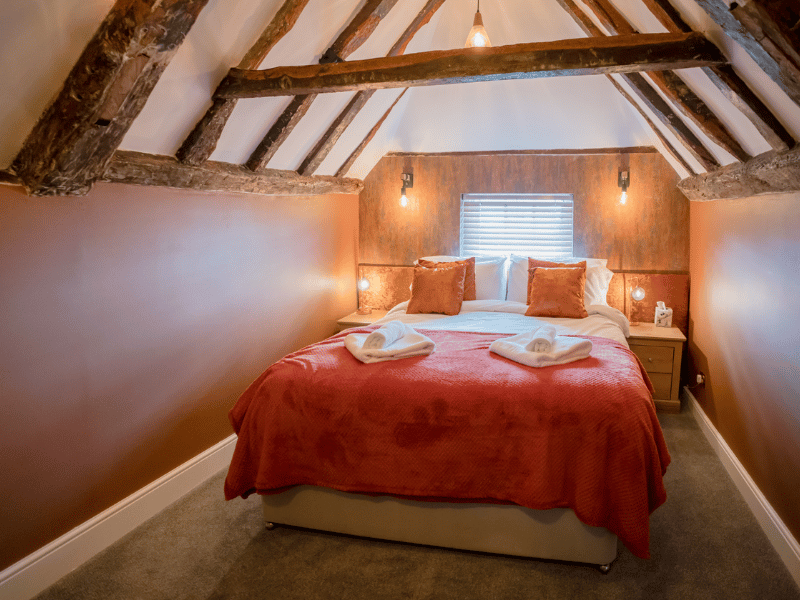
Our 12 individually styled bedrooms allow you to bring preparation, celebration and an overnight stay together. Allocate rooms around who needs to get ready on site, close family and individual overnight requirements.
Package comparisons should account for preparation time as well as the wedding itself:
-
Celebration: A Monday-to-Thursday arrangement based on 60 guests, including a honeymoon suite.
-
South Downs: Available every day on a 60-guest basis, including a night-before Getting Ready Suite.
-
Exclusive Two Day: Whole-venue use, based on 60 wedding guests, with all 12 bedrooms for two nights.
Celebration and South Downs include exclusive use of the South Downs Suite, private garden and bar. Whole-hotel exclusivity is a separate arrangement, included in the Exclusive Two Day package.
Plan bedroom allocations separately from the full wedding guest list. Having 12 bedrooms gives you a base for part of your group; it does not mean every wedding guest stays overnight. Establish who needs accommodation before deciding which arrangement best supports your celebration.
Legal arrangements and shorter planning windows
A shorter wedding-planning window requires early decisions about both venue and registrar availability. Securing a venue alone does not complete the legal arrangements.
For a civil ceremony in England and Wales, GOV.UK requires a registrar to carry out or attend the ceremony and at least two witnesses. Best people, bridesmaids and ushers are optional traditions, separate from those legal roles.
West Sussex County Council advises choosing and provisionally booking an external venue before completing its registrar booking form. Booking the registrar and arranging an appointment to give notice are separate tasks.
Under GOV.UK’s notice guidance, you normally need to give notice at least 29 days before the ceremony and marry within 12 months of giving notice. Nationality, immigration status and ceremony type can affect the procedure.
The council recommends booking the notice appointment six to eight months ahead. That planning recommendation serves a different purpose from the statutory minimum notice period. Allow for obtaining appointments and securing a registrar, rather than treating 29 days as a promise that every wedding can be arranged within a month.
For a shorter window, identify the essentials first: a workable date, legal arrangements and the services already included. Simplify optional choices so you can make decisions promptly.
Shorter-notice dates occasionally become available at Tottington Manor. Any flexibility depends on the date and arrangements; a smaller wedding and a shorter planning period remain separate choices.
Wedding-party roles and practical responsibilities
Wedding-party roles work best when each person understands the task and agrees to take it on. Choose responsibilities around willingness and ability, with titles that suit your relationships.
Bridebook’s wedding-role guidance distinguishes personal support from guest-facing duties. A practical starting point is:
-
Maid or person of honour: Personal support, getting-ready help, coordination among attendants, and assistance with a bouquet or veil.
-
Best man or person: Personal support, looking after the rings and agreed practical tasks.
-
Bridesmaids or attendants: Preparation help, errands and gathering people for photographs.
-
Ushers: Welcoming arrivals, distributing orders of service, guiding seating and answering practical guest questions.
Agree speeches and pre-wedding events separately. Someone may be delighted to help you get ready but uncomfortable speaking to a room. Holding a title should not create an unspoken list of obligations.
Professional coordination also needs a clear owner. When hiring a wedding planner or working with wedding coordinators, establish who handles supplier communication, decisions on the day and changes to the running order. Give suppliers a named contact who can answer practical questions without interrupting you.
Our Weddings Team’s approach is that the couple should not become the default answer desk. A friend holding the rings should not automatically inherit responsibility for finding a missing supplier or managing evening arrivals.
Toastmaster Dan, one of our local suppliers, helps welcome guests, support speakers and coordinate transitions with registrars, photographers and venue staff. A toastmaster’s level of formality can suit your atmosphere while still providing clear, organised communication.
Guest comfort and clear communication
Guest comfort depends on a clear journey through the day, supported by information people can use before they arrive. Think through arrival, the ceremony, photographs, dining, evening arrivals and departure.
Send practical travel and accommodation information early enough for guests to make arrangements. Distinguish daytime and evening invitations clearly, including when each group should arrive.
Ask guests directly about access requirements. Hitched’s accessible-wedding guidance includes parking, pathways, toilets, seating, hearing support, transport and accommodation. A ramp answers one access question; guests may have other requirements that deserve a conversation.
At Tottington Manor, ground-floor facilities include wheelchair access, a ramped main entrance and an accessible public WC. Our bedrooms are on the first floor, without a lift, so match overnight arrangements to individual guests’ access needs.
Choose wedding RSVP wording that makes the requested information clear. Collect attendance, dietary requirements and access needs, then keep replies in one up-to-date record. Follow up missing responses before final numbers go to the venue and catering team.
Be specific about the information you pass on. A guest’s allergy should be recorded clearly rather than shortened into a general dietary label. Discuss complex or multiple allergies with the catering team early.
Build the broad wedding day timeline around people’s needs. Provide seating during a standing reception, allow space for guests to move between activities and make departure arrangements clear. An evening guest should know how to get home just as confidently as a daytime guest knows where to arrive.
Leave the detailed running order to a separate planning conversation. At overview stage, identify the points where guests need guidance, a seat or time to eat.
Food and service that work together
Good wedding food depends on timing and service as well as flavour. Guests may have travelled, attended the ceremony and enjoyed drinks before sitting down, so canapés, water and sensible meal spacing deserve attention alongside the main menu.
Our wedding menus are prepared by the professional kitchen team behind TERRA, our one-AA-Rosette restaurant. Our local-first approach draws on Sussex produce and makers, including South Downs lamb, local cheese and Sussex sparkling wine, with menus changing through the seasons.
Use your tasting to discuss how the meal will work for the whole guest count. Ask about dietary adaptations, wine, table service and pace. A dish needs to reach guests at the right temperature and with consistent presentation when many people are being served together.
Speeches need to be coordinated with the kitchen too. An unexpectedly long speech can affect food that is ready to serve. Agree who will communicate with speakers and the service team before a course begins, rather than leaving both to work around an uncertain pause.
Carry dietary planning through to the evening food. The Food Standards Agency’s allergen guidance requires buffet allergen information for each food item. Pass guests’ requirements clearly to the catering team for both daytime and evening meals.
Someone who can eat the wedding breakfast still needs suitable evening food. Check the whole menu journey, including canapés and late-night options, rather than stopping once the seated meal is chosen.
2027 trends worth considering
The useful wedding trends for 2027 offer ways to make your celebration more personal and comfortable. Choose ideas that solve something for you or your guests, rather than adding another obligation.
Bridebook’s 2027 forecast highlights intimate celebrations, multi-day gatherings and flexibility around inherited traditions. Its method combines three years of UK search data with insight from its Wedding Trend Council.
Hitched’s 2027 forecast places attention on hosting, alongside sharing-style dining, personal atmosphere and late-night food. These are editorial forecasts, rather than measured preferences across every UK wedding.
Apply each idea to your own guest list. Sharing food may suit the atmosphere you want, but dietary requirements and the practical service still need discussion. Nostalgic music earns its place when the songs mean something to you and the people attending.
Our Intimate format offers a smaller, midweek celebration without requiring you to shorten the planning period.
A multi-day celebration can be equally straightforward. If your priority is time with relatives who live far away, a relaxed meal or night-before stay may provide that. Private dining, bedroom bookings and whole-venue exclusive use are distinct arrangements.
Keep the preceding evening comfortable and undemanding. You can enjoy more time together without turning every gathering into another formal event to organise.
A viewing with practical questions
A private viewing helps you test how your guest numbers, hosting priorities and overnight plans fit the venue.
Bring provisional daytime and evening numbers, preferred dates and accommodation requirements. During the visit, walk through the ceremony and reception spaces, discuss dining and preparation arrangements, and compare the package inclusions relevant to your plans. Include any access requirements in that conversation so the arrangements can reflect the people attending.
Book a private viewing with our Weddings Team at weddings@tottingtonmanor.co.uk or call 01273 957 777 to explore a workable shape for your celebration.
Plan your wedding at Tottington Manor
Explore the wedding spaces, accommodation and package options, then arrange a private viewing with our Weddings Team.
Explore weddings at Tottington Manor