Updated 2 September 2026 | Wedding Planning | Tottington Manor Weddings Team
The best-run weddings rarely feel tightly managed. Guests seem to arrive in the right place, photographs happen without a military operation, dinner begins when it should, nervous speakers know what is expected of them and the couple are not being asked every ten minutes what happens next. That apparent effortlessness is usually the result of good planning, an experienced venue team and one person keeping an eye on the flow of the day.
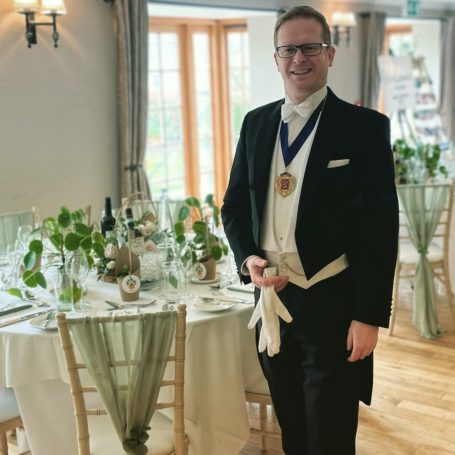
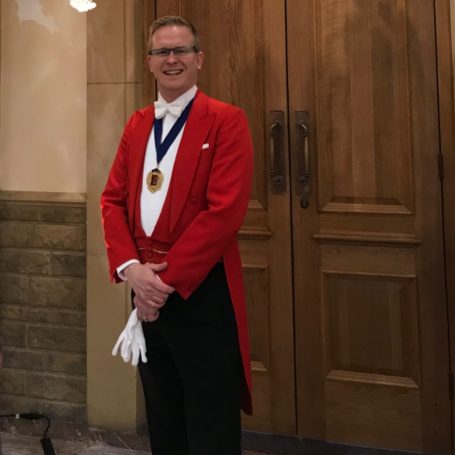
At Tottington Manor, that person is often Toastmaster Dan, a familiar face at our weekend weddings and the professional Toastmaster included in our South Downs and Exclusive Use wedding packages. Dan recently wrote about what happens behind the scenes to help a wedding flow naturally—from welcoming guests and working with registrars to coordinating photographs, speeches, suppliers and the move into the evening celebration.
Source and further reading
Featured expert: Toastmaster Dan – Helping Your Wedding To Flow
Dan's own article gives a first-hand view of the Toastmaster's role at a Tottington Manor wedding. This guide looks at the bigger planning question: how do you create a wedding that feels relaxed for the couple and guests, without leaving the day to chance?
Stress-free wedding planning starts with reducing moving parts
There is no such thing as a completely decision-free wedding, and nor should there be. The day should reflect you. But there is a big difference between making enjoyable choices—food, music, flowers, photographs—and becoming the unpaid project manager for a temporary event business.
Every additional location, delivery window, supplier handover, transport movement and DIY setup creates another dependency. None of those things is automatically a bad idea, but they all need somebody to own them. Our guide to the hidden stress of DIY weddings looks at the workload that can quietly migrate from professional teams onto couples, parents and friends.
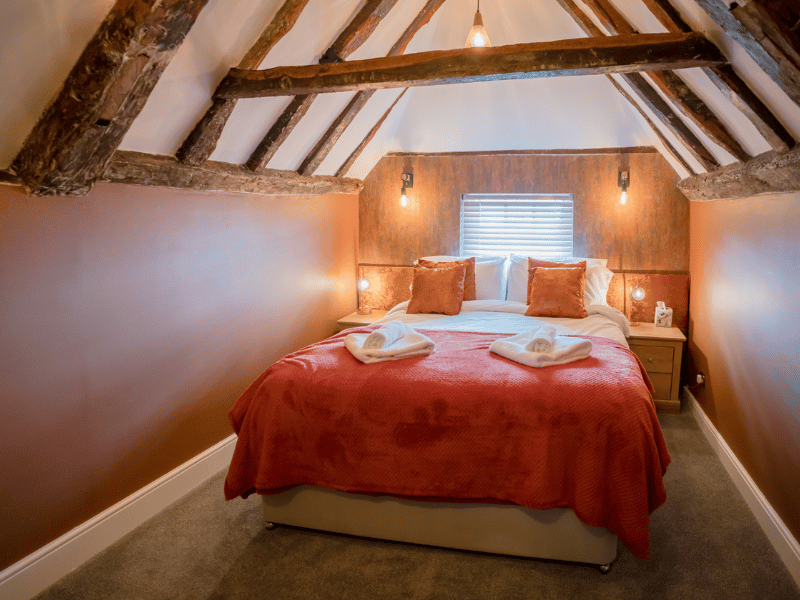
One of the simplest ways to reduce that workload is to choose a venue capable of hosting the main parts of the celebration in one place. At Tottington Manor couples can hold the ceremony, drinks reception, wedding breakfast and evening party without moving guests between venues, while 12 boutique bedrooms allow the closest people to stay onsite.
Think of the wedding as one continuous guest journey
A useful planning trick is to stop looking at the day as a list of isolated items and instead imagine it from a guest's point of view. Where do they park? Who welcomes them? Where do cards and presents go? How do they know when to take their seats? What happens while photographs are being taken? Who tells them dinner is ready? Where do evening guests arrive? Who gathers everyone for the cake cutting or first dance?
If the answer to each question is “the couple will tell them”, the couple is not going to have a very relaxing wedding.
Dan describes his role as the link between the couple, guests, venue and suppliers. Before the ceremony he checks the running order with the Tottington team and other suppliers. As guests arrive he welcomes them and helps answer the small practical questions that otherwise tend to find their way back to the couple or immediate family. He then works with the registrars, photographer and venue team so the ceremony party can be brought into place without making the process feel rushed or regimented.
Structure does not have to mean formality
The words Toastmaster and Master of Ceremonies can conjure up red tailcoats, booming announcements and a very traditional style of wedding. That can absolutely be part of the theatre if you want it—but it does not have to be.
Dan's approach is to adapt the presentation to the wedding. Some couples enjoy the ceremony of a formal entrance into the wedding breakfast; others want the announcements pared back so the day stays deliberately informal. The important point is that the organisation remains present even when the formality is not. In his words, the aim is to provide structure without making the wedding feel structured.
That distinction matters. A relaxed wedding still needs someone to know when the kitchen needs the room seated, whether the photographer requires another ten minutes, which speaker is first and whether an important guest has briefly disappeared just before the speeches.
The real value appears when the plan changes
Weddings are live events. Weather changes. A photograph takes longer than expected. A registrar or supplier hits traffic. Dinner may need a few extra minutes. A speech overruns because it is brilliant—or because Uncle David has found page seven.
The goal is not to force the day back onto a spreadsheet at all costs. It is to absorb those changes without creating a chain reaction.
A regular Toastmaster working with a regular venue team has an advantage here: the relationships and physical spaces are already familiar. At Tottington Manor, Dan works alongside our wedding and hospitality teams and knows how guests move between the ceremony, gardens, stretch tent, South Downs Suite and evening celebration. That means small changes can often be handled through a quiet conversation between the people actually delivering the day rather than escalated to the couple.
Good wedding planning is not about controlling every minute. It is about making sure the couple are not the people who have to control every minute.
Use an experienced team, not just a collection of suppliers
A wedding can involve a registrar, photographer, florist, venue team, chefs, bar team, DJ or band, cake maker, transport provider, stylist and more. They may all be excellent individually; the difference on the day is whether they operate as a joined-up team.
Regular suppliers who know the venue reduce the amount of explaining and troubleshooting required. They already understand access, power, timings, room turns, wet-weather alternatives and who makes which decisions. That does not mean couples must use a closed list of suppliers—it means there is genuine value in experience and established working relationships.
The same principle applies to the venue itself. When ceremony, dining, accommodation and party are managed by one hospitality team, there are fewer handovers. The chef is not waiting for a phone call from a separate coordinator at another site. The bar team can see the room. The wedding team know where the bedrooms are and who is staying. Guests do not need coaches to get from the ceremony to dinner. The infrastructure is already there.
Build breathing space into the wedding morning
A surprising amount of wedding-day stress begins before the ceremony. Hair and makeup often take longer than expected, people need feeding, suppliers arrive, flowers need distributing and photographs begin while somebody is still looking for a cufflink.
Our guide to how long you need to get ready on your wedding day suggests planning realistically rather than working backwards from the ceremony with no margin. If you can arrive earlier, the effect can be even bigger. Arriving the day before turns the eve of the wedding from travel-and-logistics time into part of the celebration, particularly for close family.
With our Exclusive Use option, couples can make more of that time with a night-before gathering and a hotel team focused on their party. The same principle can still work on other packages: onsite accommodation and private dining can allow close family to arrive, eat together and wake up already at the venue rather than starting the wedding morning on the road.
Spend the budget on the things that remove friction or create memories
Stress-free planning is also a budget question. The cheapest version of every individual component does not necessarily create the lowest-cost or easiest wedding once extra hire, transport, setup, staffing and coordination are added.
Our guide on where to spend your wedding budget looks at protecting the parts guests genuinely experience—good food, drinks, photography and hospitality—while using date, season and wedding format to keep the overall cost sensible. It is often better to simplify the number of moving parts than to cut the quality of the parts that remain.
Give somebody else responsibility for “what happens next?”
This may be the most useful wedding-planning question of all: who is responsible for what happens next?
After the ceremony, who gathers guests for confetti? Who coordinates the group photograph? Who checks that the wedding breakfast room is ready? Who tells speakers where to stand and how to use the microphone? Who knows when the cake is being cut? Who coordinates with the DJ or band when evening guests arrive?
Dan's account is full of jobs that sound tiny in isolation—helping with buttonholes, checking bouquet stems, keeping the marriage certificate safe, reassuring a nervous speaker—but together they remove dozens of interruptions from the couple's day.
That is why we include his Toastmaster service within our South Downs and Exclusive Use packages. It is not simply an announcement service. It is another layer of wedding-day support, working alongside the Tottington team so couples can spend more time being present and less time operating their own event.
A practical stress-free wedding planning checklist
- Choose the right level of complexity. Every venue change, transport movement and DIY element needs someone to manage it.
- Plan the guest journey. Think through arrival, ceremony, photographs, drinks, dining, evening guests and departure.
- Use realistic timings. Leave margin for preparation, photographs, speeches and the inevitable small delay.
- Agree responsibilities early. The couple should not be the default answer desk on the wedding day.
- Let the level of formality suit you. Organisation can be discreet; a Toastmaster does not have to make the day feel traditional.
- Use people who work well together. Familiarity between venue, Toastmaster and suppliers makes adapting easier.
- Keep key guests close. Onsite accommodation can reduce transport stress and make the celebration feel more connected.
- Protect what guests remember. Food, drink, comfort, atmosphere, photographs and time with people usually matter more than extra layers of decoration or logistics.
- Plan for the unexpected. A good team does not prevent every change; it absorbs changes without passing the stress to you.
- Make space to enjoy it. The schedule is there to serve the wedding, not the other way around.
Continue planning: useful wedding guides
This article is part of our growing Sussex Wedding Knowledge Centre. These guides answer some of the practical questions that tend to sit behind a calm, enjoyable wedding:
Plan a wedding that feels like your wedding
Tottington Manor brings the ceremony, wedding breakfast, evening celebration and boutique accommodation together in one South Downs venue, supported by a regular wedding and hospitality team. Our South Downs and Exclusive Use packages also include Toastmaster Dan to help the day flow naturally, with the level of formality adapted to suit you.
Explore Weddings at Tottington Manor
View the Wedding Brochure
Stress-free wedding planning FAQs
What does a wedding Toastmaster or Master of Ceremonies actually do?
Much more than announcements. A professional Toastmaster helps coordinate the running order, welcomes and directs guests, works with the venue and suppliers, supports speakers, manages transitions and quietly deals with timing changes so the couple do not have to.
Will a Toastmaster make our wedding feel too formal?
No. A good Toastmaster adapts to the couple. You can have the theatre of formal announcements if you enjoy it, or a much more understated style while still benefiting from somebody coordinating the day behind the scenes.
Why does having everything at one venue reduce stress?
It removes transport and venue-to-venue handovers, reduces the number of separate teams that need coordinating and lets one experienced hospitality team manage the flow from ceremony through dining and the evening celebration.
Is Toastmaster Dan included at Tottington Manor?
At the time of writing, Dan's Toastmaster service is included in our South Downs and Exclusive Use wedding packages. Check the current wedding brochure for the latest package inclusions.
What should couples do if the wedding runs late?
Build some breathing space into the schedule and let the venue team, Toastmaster and suppliers adjust together. A small delay is rarely a problem when one person is coordinating what happens next and communicating with the kitchen, photographer, entertainment and guests.