Published 10 August 2026 | Tottington Manor
One of the pleasures of staying in the South Downs is that the landscape does not disappear when the sun goes down. The South Downs National Park became an International Dark Sky Reserve in 2016, and in 2026 it is celebrating ten years of protecting and sharing its night skies. Tottington Manor sits at the foot of the Downs near Henfield, giving guests a countryside base for combining stargazing, walking, dinner at TERRA Restaurant and an overnight stay.
Why the South Downs is special after dark
The South Downs International Dark Sky Reserve stretches across the National Park in Sussex and Hampshire. DarkSky International records the reserve as being designated in 2016 and names it Moore's Reserve in honour of Sussex astronomer Sir Patrick Moore. Its position between London and the south coast makes the survival of genuinely dark night skies here particularly remarkable.
For visitors, the appeal is wonderfully simple: on a clear night, away from intrusive artificial light, there is far more to see above you. The National Park describes the reserve as one of the most accessible dark-sky landscapes in the region, while also emphasising that darkness matters for wildlife, health and the character of the landscape itself.
Where to stargaze in the South Downs
The National Park Authority maintains a network of official Dark Sky Discovery Sites. These are the places we would point guests towards first because they have been selected for public access, sightlines and reduced effects from urban light pollution.
- Devil's Dyke — an official Dark Sky Discovery Site north of Brighton with huge views across the Downs.
- Ditchling Beacon — the highest point on the chalk in East Sussex, with panoramic views and an official Dark Sky Discovery Site.
- Bignor Hill — one of the darkest parts of the reserve; the National Park notes that the Milky Way can be visible here on a clear, moonless night.
- Birling Gap — a coastal Dark Sky Discovery Site where the Seven Sisters landscape meets a wide southern sky.
There are other Discovery Sites across the National Park, including Iping Common, Butser Hill and locations further west in Hampshire. Conditions, parking and access can change, so use the National Park's current stargazing map and site information before setting out.
Stargazing near Brighton, Worthing and Henfield
Tottington Manor is near Henfield in West Sussex, within easy reach of Brighton & Hove, Worthing, Shoreham-by-Sea, Steyning, Burgess Hill and Hassocks. That makes a dark-skies evening surprisingly easy to combine with a South Downs stay without turning it into a major expedition.
A simple itinerary might be an afternoon walk on the Downs, an early dinner at TERRA Restaurant, time outside under the night sky and then a comfortable night back at the hotel. If you prefer to travel to an official Discovery Site, use the National Park information to choose the location that best suits the weather, moon phase and direction you are travelling.
When is the best time to go stargazing?
Dark skies can be enjoyed throughout the year, but autumn and winter give you longer hours of darkness without needing to stay up half the night. The old October-to-March rule of thumb is still useful for casual stargazers, but the quality of the evening depends more on cloud cover, moonlight and local light than the calendar alone.
If seeing fainter stars or the Milky Way is important, check the moon phase and aim for a clear night with little moonlight. The National Park recommends planning around the moon, checking the weather and allowing around 20 minutes for your eyes to adjust properly to darkness.
Five simple ways to enjoy the night sky responsibly
1. Give your eyes time to adjust
Put bright screens and white torches away and allow around 20 minutes for your night vision to settle. A dim red torch is useful when you need light without completely resetting your eyes.
2. Dress for standing still
A South Downs evening can feel much colder when you are stationary than it did while walking. Warm layers, a hat and gloves make a longer spell outdoors much more enjoyable.
3. Check the weather and moon before leaving
Cloud can turn an astronomy evening into a very dark countryside walk. Check the latest forecast and moon phase before you travel, particularly if you are heading to a more remote Discovery Site.
4. Protect the darkness
Use as little artificial light as you safely can. Dark skies are not only about astronomy: the National Park highlights darkness as an important habitat for bats, moths, owls and other nocturnal wildlife.
5. Leave no trace
Take rubbish home, use recognised parking places and remember that much of the Downs is working countryside. At night it is especially important to know your route and respect livestock, wildlife and local residents.
The South Downs Dark Skies Festival
Every February the South Downs National Park celebrates its night skies through the Dark Skies Festival, with astronomy, guided walks, wildlife, talks and family activities around the National Park. The 2026 programme marked the tenth anniversary of the International Dark Sky Reserve designation. For future dates and events, use the official Dark Skies Festival page.
Dark Skies walks from Tottington Manor
We also run occasional guided night walks and South Downs experiences from Tottington Manor. These work particularly well for guests who like the idea of being outside after dark but would rather have a guide dealing with the route and local landscape. Dates change through the year, so check our current events and Dark Skies walk information rather than relying on an old calendar.
Make a South Downs night of it
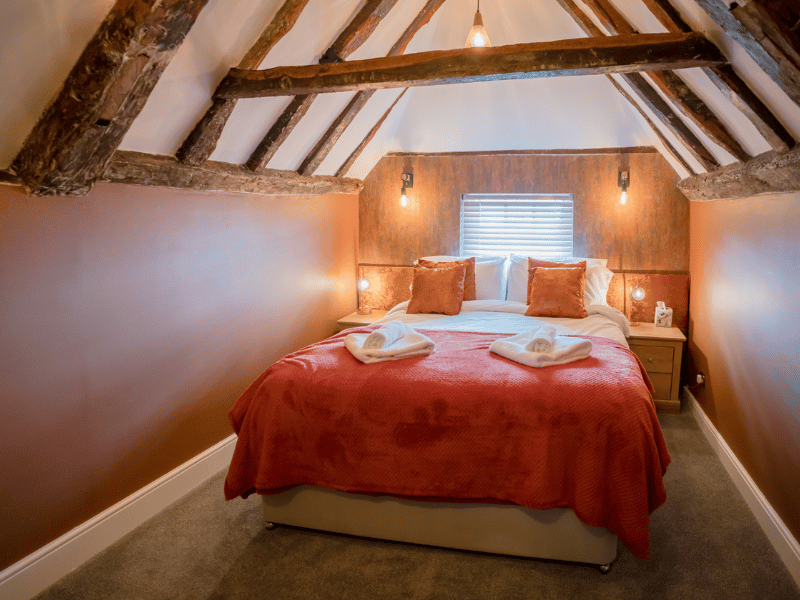
Stargazing is one of those experiences that is much better when nobody has to hurry home afterwards. Tottington Manor has 12 boutique bedrooms and suites, free parking and TERRA Restaurant on site. Guests can therefore combine a countryside day, dinner, dark skies and breakfast the following morning in one stay.
For more ideas during daylight hours, see our guide to exploring the South Downs from Tottington Manor and our local South Downs walks.
South Downs stargazing at a glance
- South Downs National Park has been an International Dark Sky Reserve since 2016.
- 2026 marks the reserve's tenth anniversary.
- Official Dark Sky Discovery Sites include Devil's Dyke, Ditchling Beacon, Bignor Hill and Birling Gap.
- Check cloud cover and the moon phase before travelling.
- Allow around 20 minutes for your eyes to adapt to darkness.
- Use a red or low-level light where practical and respect nocturnal wildlife.
- Tottington Manor provides a West Sussex base near Henfield for a South Downs stargazing break.
Related reading: why Tottington Manor works as a South Downs hotel base and a romantic South Downs overnight stay.
Stay for a night under the South Downs skies
Combine a South Downs evening with dinner at TERRA Restaurant and a boutique hotel stay at Tottington Manor.
Explore Hotel Stays
Dine at TERRA